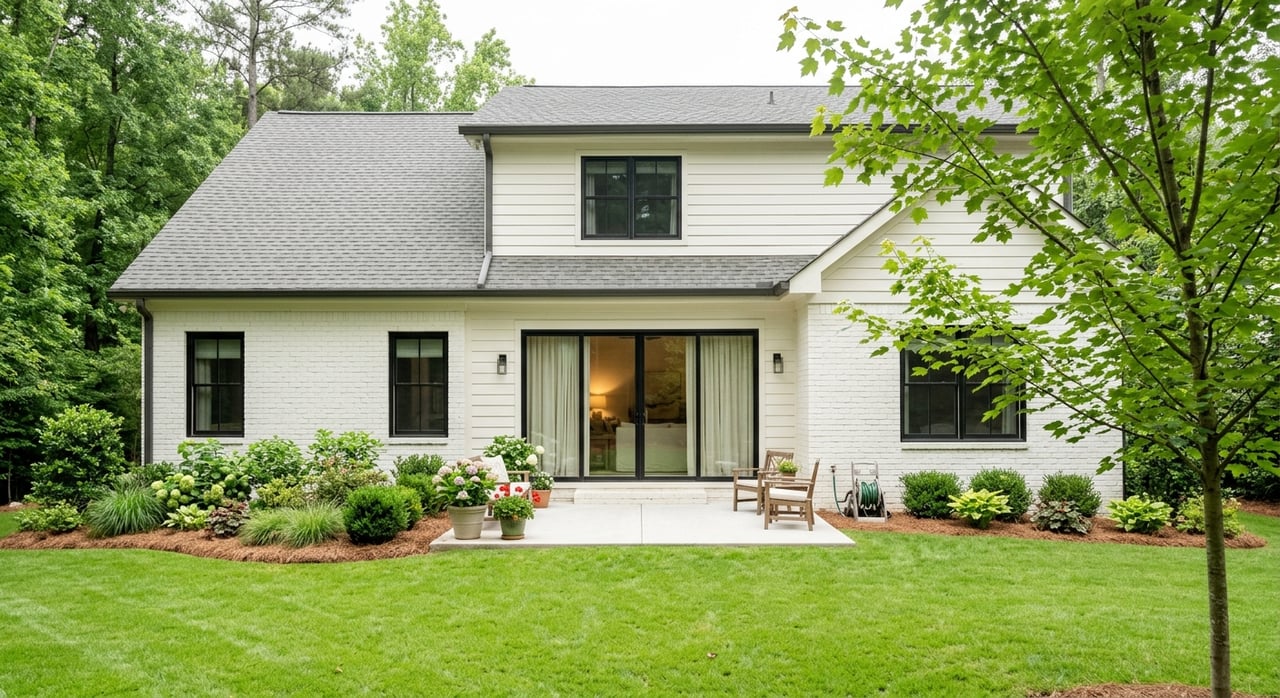
Investor Guide To Finding Value In Kannapolis Homes
May 28, 2026
May 28, 2026
Looking for an investment property in Kannapolis and wondering if the deals are still there? The short answer is yes, but not usually in the form of obvious steals. In this market, value tends to come from buying smart, understanding location block by block, and keeping your renovation scope under control. If you want to invest with more confidence, this guide will show you where to look, what numbers matter, and how to spot opportunity without overpaying. Let’s dive in.
Kannapolis continues to stand out as an accessible entry point within Cabarrus County. The U.S. Census Bureau estimates the city population at 61,708 in July 2025, up 16.0% from 2020. Over the same period, Cabarrus County reached an estimated 249,725 residents, up 10.6%.
That growth matters because it supports long-term housing demand. The city’s 2020 to 2024 owner-occupied housing rate was 65.6%, median gross rent was $1,319, and median household income was $73,836. Kannapolis also remains more affordable than the county overall, with a median owner-occupied home value of $276,400 compared with $354,800 countywide.
For many buyers and investors, that affordability gap is a big part of the appeal. Kannapolis also offers useful access to the broader Charlotte area, with an average commute time of 26.2 minutes. That combination of growth, relative affordability, and regional access helps explain why investors continue to watch this market closely.
Current market data points to opportunity, but not a market full of blanket discounts. Redfin reported a median sold price of $300,000 in March 2026, with homes selling in about 68 days, a median sale price per square foot of $188, and a 98.6% sale-to-list ratio. It also reported that 36.7% of homes had price drops.
Realtor.com reported a median listing price of $329,900, median days on market of 45, 347 homes for sale, 124 rentals, and a 99% sale-to-list ratio. One source describes Kannapolis as somewhat competitive, while another labels it a seller’s market. Taken together, the safer conclusion is that you are more likely to find value through property condition, micro-location, and smart execution than through broad market-wide bargains.
That matters for your buying strategy. When homes are still trading close to asking price overall, the best deals are often stale listings, over-asked homes, or properties that need cosmetic updates. In Kannapolis, basis control matters more than chasing the lowest sticker price.
The strongest value story in Kannapolis tends to center on older homes near downtown and along corridors shaped by ongoing public and private investment. The city adopted its downtown master plan in July 2016 to guide 20 years of revitalization. The Downtown Center Character Area is described by the city as its most intensely developed area, centered around City Hall and the North Carolina Research Campus.
The city also notes that the initial phases of its Downtown Revitalization Project are complete. Additional phases include development of remaining downtown properties, including homes, apartments, and a Harris Teeter. On top of that, current city projects include the Cannon Boulevard Corridor Plan, sidewalk work on Little Texas Road and North Main Street, train station improvements, and greenway expansion.
For investors, this creates a practical takeaway. Older homes near these corridors may offer upside tied to better access, walkability, and amenities over time, without always carrying the same premium as the most polished pockets. That does not guarantee appreciation, but it does help explain where many buyers look first for value-add potential.
Price differences inside Kannapolis are meaningful, which is why citywide averages only tell part of the story. Realtor.com snapshots from March 2026 show lower entry prices in some areas. Car Town had a median listing price of $234,900, while Old Centergrove came in at $294,200.
Other areas show different pricing and inventory patterns. Downtown Kannapolis had 3 homes for sale and 4 for rent, while Central Avenue had 3 homes for sale. By contrast, higher-priced pockets such as Kellswater Bridge were much more expensive at $514,750.
ZIP code data also helps frame the search. Realtor.com showed 28083 at $299,948 and 28081 at $325,000, both below 28115 at $439,900. If you are trying to balance affordability with upside, these smaller pricing gaps within the market are worth studying closely before you make an offer.
A strong first-pass screen in Kannapolis starts with four basics: asking price, recent sold-price trends, days on market, and price-drop history. Since the market often sells close to list, you will usually get better results by identifying homes that are mispriced or overlooked than by waiting for a huge discount to appear. The goal is to separate a fair deal from a costly mistake.
Once a listing makes it through that first screen, the next step is to judge the renovation scope honestly. In many cases, the better opportunities are homes with cosmetic wear or deferred maintenance, not houses that require major layout changes or major system replacements. That distinction can make or break your return.
As I advise investor clients, I focus heavily on the difference between visible updates and expensive hidden repairs. A home that needs paint, flooring, fixtures, and cleanup may be a workable project. A home with structural, electrical, plumbing, roofing, or heating issues can change the numbers quickly.
Kannapolis housing rehabilitation materials highlight the repair categories that often matter most in older homes. These include:
This list is useful because it mirrors the kinds of items that can stretch your budget fast. A home may look like a light rehab at first glance, but core systems can turn it into a much more expensive project. Before you move forward, make sure your budget reflects the real work, not just the visible work.
Before you commit to any Kannapolis investment property, ask a few simple but important questions. These help you move past the listing photos and think like an investor.
These questions matter because price dispersion in Kannapolis is real. Two homes with similar square footage can perform very differently based on location, condition, and how the numbers are underwritten.
Rental analysis in Kannapolis requires a little care because not all rent data measures the same thing. The Census Bureau reports a median gross rent of $1,319 for Kannapolis, while Cabarrus County is at $1,414. Realtor.com’s listing-based estimate for Kannapolis was $1,800.
Those figures should not be treated as interchangeable. Census figures reflect a broader measure of occupied housing, while listing-based rent estimates reflect current asking rents for available units. For underwriting, it is smarter to read both together and then compare them with the specific property type, condition, and location you are evaluating.
One of the biggest recurring expenses to underwrite carefully in Kannapolis is property tax. For fiscal year 2025 to 2026, Cabarrus County lists a county tax rate of $0.576 per $100 of assessed value. The City of Kannapolis lists a city rate of $0.5595 per $100, for a combined rate of $1.1355 per $100.
Cabarrus County’s own example shows that a home assessed at $250,000 would generate $2,838.75 in combined annual property taxes. Tax bills are due September 1 and become delinquent after January 5. After that, they accrue 2% interest for January plus three-fourths of 1% each month after.
That means your carrying-cost estimate needs to be precise, especially if your renovation or leasing timeline may run longer than planned. It is easy to underestimate the drag that taxes can place on a thin-margin deal.
If you are looking at older homes in Kannapolis, local due diligence should include more than a contractor walk-through. The city Planning Department reviews land development applications, administers the Kannapolis Development Ordinance, and processes applications through Accela. The city also states that a Water and Sewer Verification Request is required for all new connections.
Code enforcement also matters. The city covers minimum housing, non-residential building code, public nuisance issues, and other common residential violations. For investors, that means a rehab budget should account for permit timing, inspections, and the possibility that a project that looks simple may still need formal review.
It is also important to know what city programs do and do not cover. Kannapolis states that its urgent repair and housing rehabilitation programs are for owner-occupied primary residences and income-qualified households, not investor-owned rentals. The same materials note that property owners are required to keep rental property in compliance with city code.
In this market, the best opportunities are often not the cheapest homes on paper. They are more likely to be structurally sound houses with dated finishes, reasonable entry pricing, and a location that puts them near reinvestment corridors or growing amenity areas. That is a very different strategy than chasing extreme distress.
A practical Kannapolis play often looks like this:
That exit could be a long-term hold, a light value-add rental, or a resale after improvements. What matters most is that the plan fits the property and the numbers, not just the headline story about the market.
Kannapolis is a market where small details can change the outcome quickly. Neighborhood differences, property condition, corridor location, and permit complexity all affect what a deal is really worth. That is why citywide stats are only the beginning.
When I work with investors, I look at the practical side of the deal, not just the listing price. That includes comp selection, renovation reality, permit-related questions, and whether a home’s location supports the strategy you want to use. In a market like Kannapolis, that kind of local, hands-on review can help you avoid expensive surprises and spot the value others miss.
If you are thinking about buying an investment property in Kannapolis, I’d be glad to help you evaluate the numbers, location, and renovation potential with a practical local lens. Reach out to Mirta Arroyo for investor-friendly guidance in Kannapolis and the surrounding market.
Stay up to date on the latest real estate trends.
Mirta embodies the belief that “We make a living by what we get, but we make a life by what we give.” She strives to exemplify this philosophy in every facet of her life, making a lasting impact on her clients and community alike. Through her work and her actions, Mirta continues to inspire those around her, proving that dedication and compassion can change lives. Contact Mirta today!
Contact Mirta to Learn More
MIRTA ARROYO
ADDRESS
19453 W CATAWBA AVE STE A
CORNELIUS, NC 28031