
Step-By-Step Guide To Selling A Home In Albemarle
May 21, 2026
May 21, 2026
Selling a home in Albemarle can feel simple at first, until you realize how many moving parts affect your timeline, price, and closing. If you want to avoid surprises, you need more than a yard sign and a few photos. You need a clear plan for pricing, prep, disclosures, negotiations, and closing day logistics. Let’s walk through it step by step.
Before you list, it helps to know what kind of market you are stepping into. As of March 2026, Albemarle was somewhat competitive, with a median sale price of $215,250 and a median of 58 days on market. Homes were selling for about 3% below list price on average, although some properties still saw multiple-offer activity.
That means your home may sell, but not by accident. In this kind of market, pricing, presentation, and clean paperwork can make a real difference. A well-prepared home is more likely to attract serious buyers and move through negotiations with fewer delays.
Start by looking at your goals and timing. Are you trying to sell quickly, maximize price, or coordinate the sale with your next move? Your strategy should match your priorities from day one.
This is also the stage where a strong listing agent can help you sort through pricing, repair decisions, and paperwork. In North Carolina, brokers have duties related to material facts and seller disclosures, so early planning helps keep the process organized and reduces last-minute stress.
North Carolina sellers are generally required to provide a Residential Property Disclosure Statement. Depending on the property, you may also need a Mineral and Oil and Gas Rights Disclosure Statement and an owners association or mandatory covenants disclosure.
If your home is part of an HOA, that disclosure should include key details such as the association contact information, regular dues, services covered by dues, approved assessments or special assessments, and any transfer fees charged by the association or management company. Having this ready early can save time once a buyer shows interest.
These disclosures must be delivered no later than the time the buyer makes an offer. If they are not delivered before or at the offer stage, the buyer may have a statutory right to cancel the contract within the allowed window.
That is why I always recommend getting disclosures ready before your home goes live. It creates a smoother experience for buyers and helps you avoid preventable contract issues.
If you learn that a disclosure is materially inaccurate after listing, you must promptly provide a corrected disclosure statement. Clear records matter here.
North Carolina rules also allow an owner to rely on written reports from a public agency or qualified expert for many disclosure items. Permit records, inspection reports, and contractor paperwork can all be useful when you are putting your listing file together.
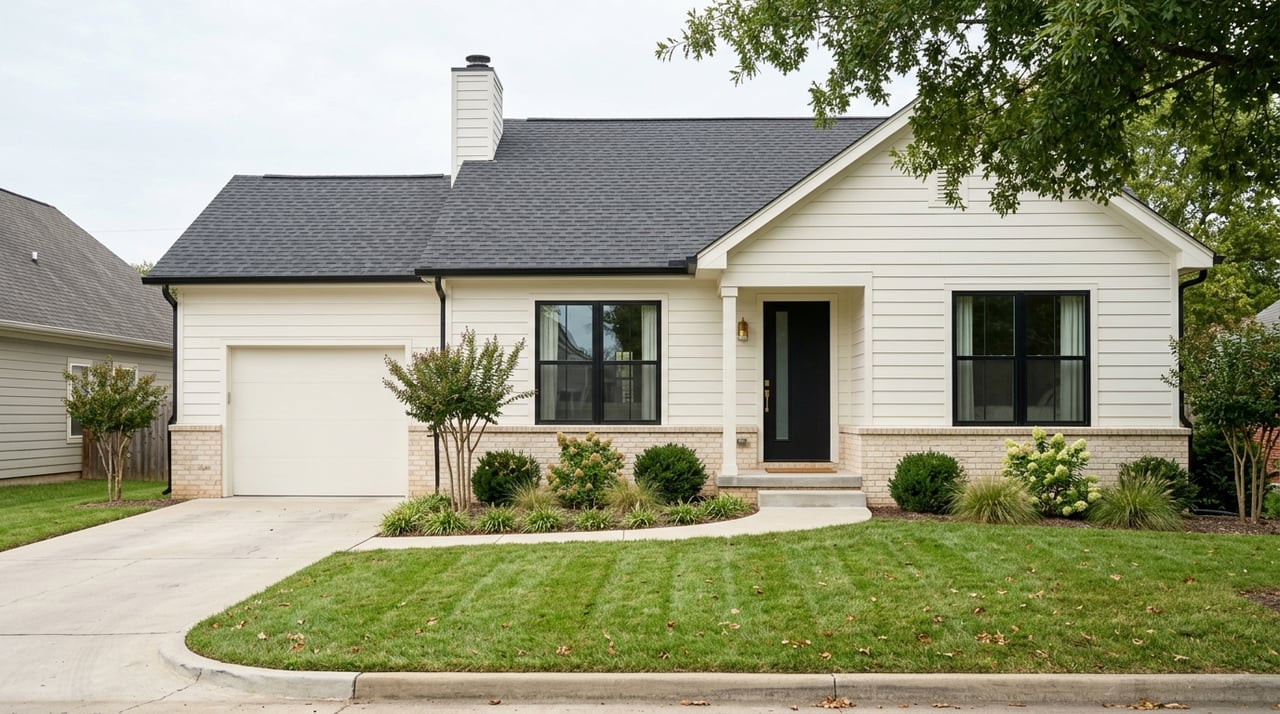
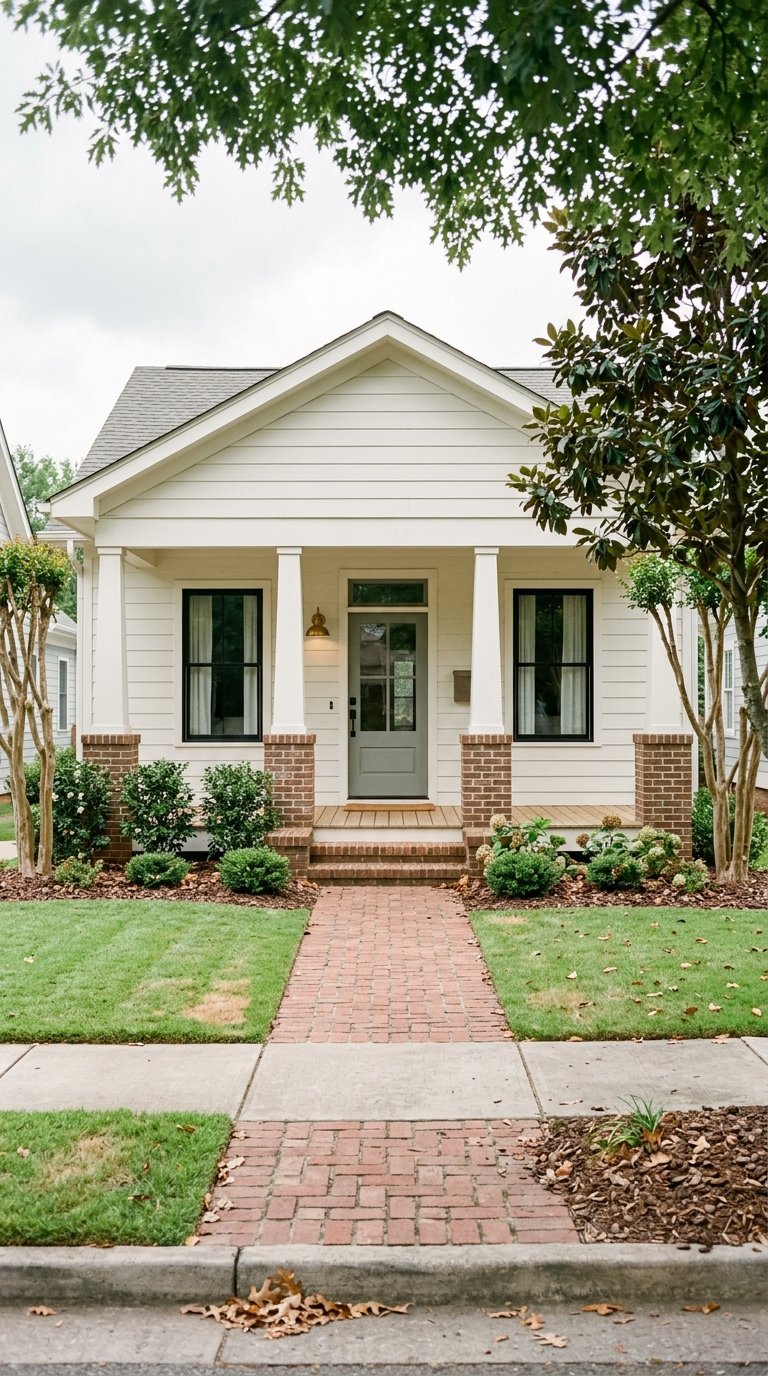
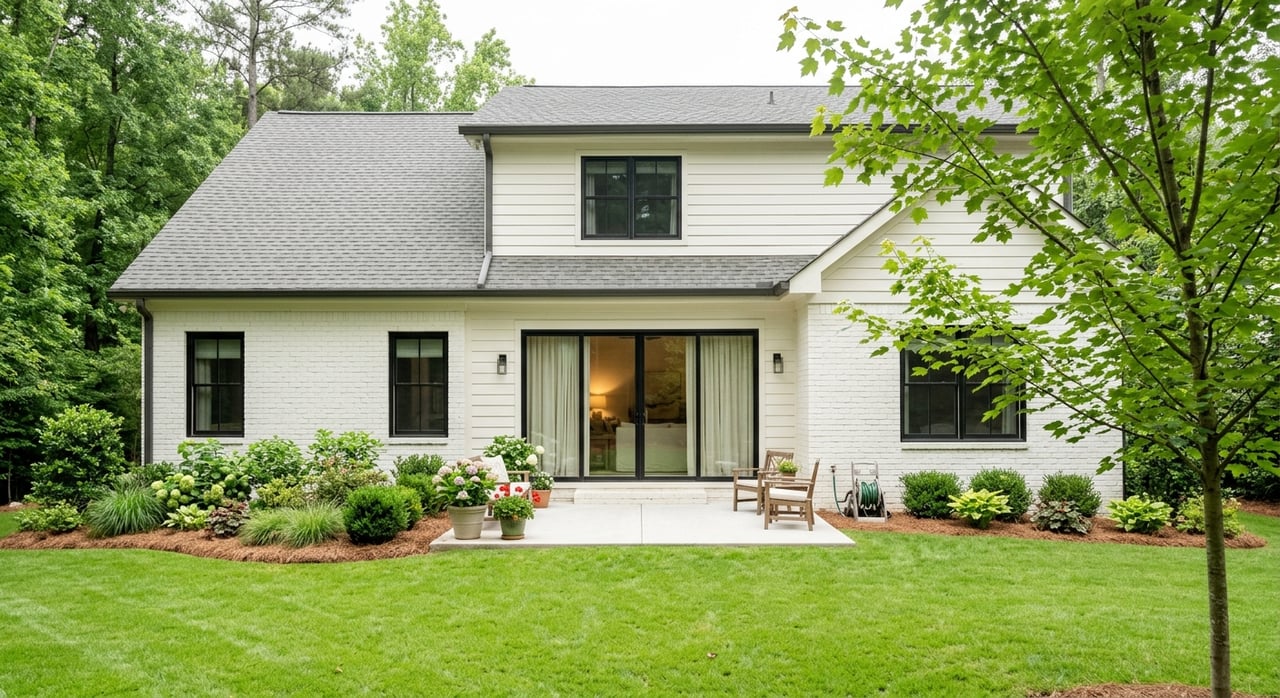
In Albemarle, exterior condition matters for both buyers and local code enforcement. The city flags common issues such as overgrown grass, debris, inoperable vehicles, broken windows, roof or siding deterioration, and unpermitted or unapproved structures.
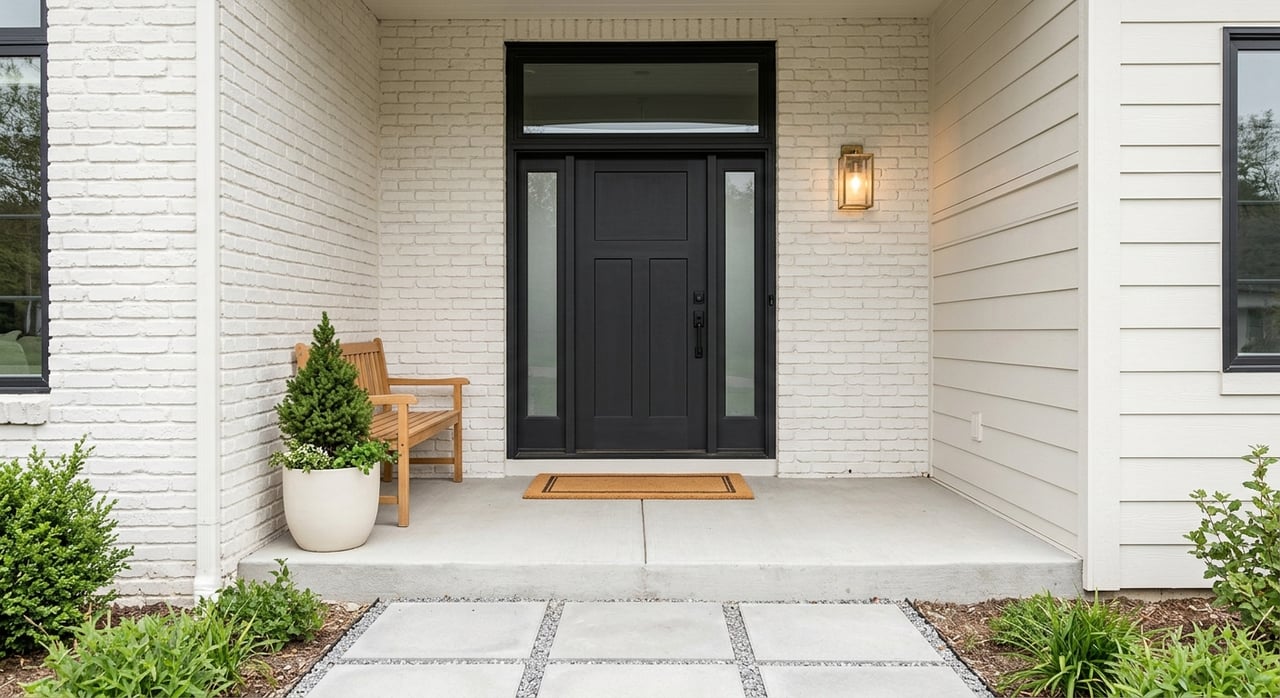
Before listing, walk your property like a buyer would. Clean up the yard, remove obvious clutter, and take care of visible deferred maintenance. Small fixes can improve photos, showings, and buyer confidence.
Start with the basics:
These steps do not guarantee a sale, but they help your home make a better first impression. In a market where homes are not flying off the shelf instantly, first impressions matter.
If you have added a shed, fence, deck, room addition, or made major exterior renovations, it is smart to review whether permits or zoning approval were required. The City of Albemarle notes that certain improvements may need approval, and questions should be directed to Planning and Community Development before work begins.
Within city limits, building, electrical, mechanical, and plumbing permits are administered by Stanly County Central Permitting, and a City of Albemarle Coordination Form must be completed before a building permit is pulled. If you have records for past work, keep them together with your listing documents.
Buyers often ask about additions, exterior structures, and major updates. If you can show clear documentation, it can make due diligence easier and reduce follow-up questions.
If records are missing or if you are unsure about prior work, it is better to identify that early rather than scramble after a contract is signed. Good prep now can protect your timeline later.
Pricing is one of the biggest decisions you will make. In Albemarle, the March 2026 market data suggests a balanced but selective environment, with homes taking a median of 58 days to sell and average sales landing about 3% below list price.
That does not mean you should automatically price low. It means your list price should reflect current market conditions, your home’s condition, and how it compares to nearby listings and recent sales.
A strong pricing strategy usually considers:
If your home is clean, well-presented, and priced right, you may still attract strong interest. Some Albemarle homes are seeing multiple offers, but buyers are also paying attention to value.
Once the home is ready, your marketing should highlight the property clearly and honestly. Strong presentation helps buyers connect with the space before they ever step inside.
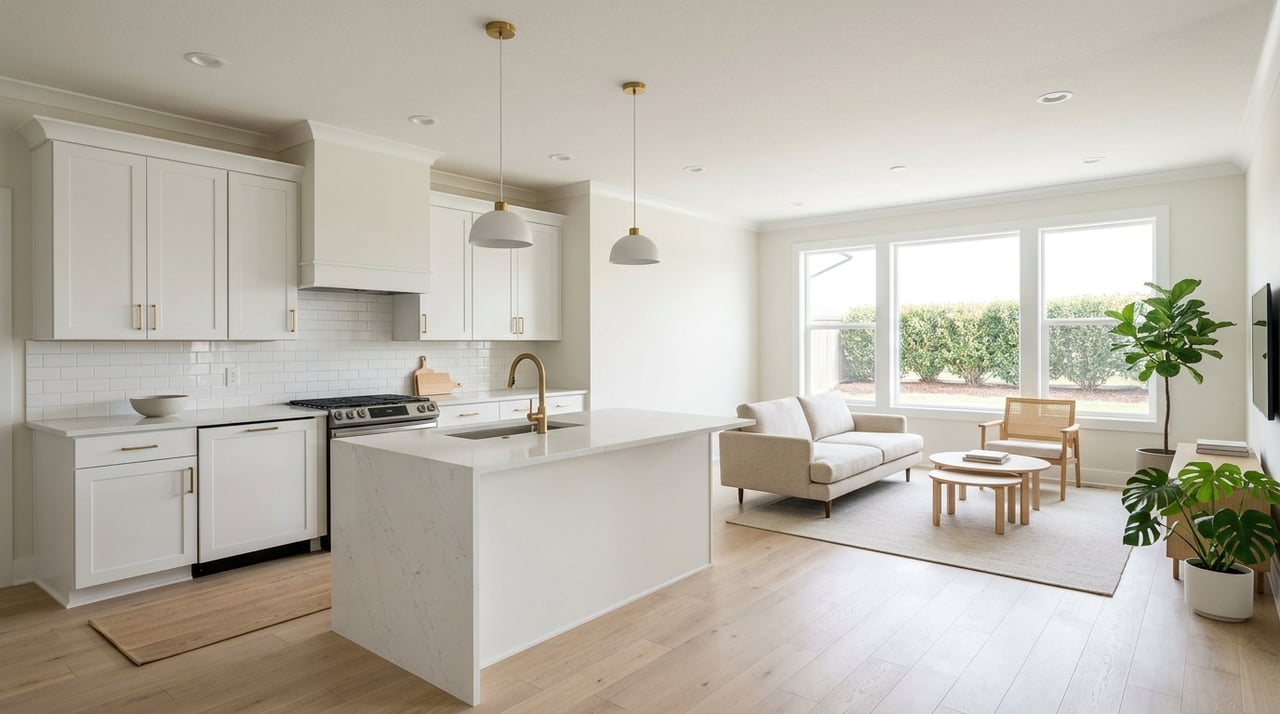
This is where thoughtful prep pays off. Clean rooms, simple staging, bright photos, and a tidy exterior can help your listing stand out in online searches and in-person showings.
For many sellers, this is also where hands-on guidance matters most. If you are deciding whether to repaint, replace a fixture, or leave something as-is, practical renovation-minded advice can help you focus on improvements that support market-ready presentation.
In North Carolina, residential offers commonly use the standard Offer to Purchase and Contract. One of the most important parts of that contract is the due diligence period, which gives the buyer time to investigate the property.
You should look at more than just the offer price. Terms such as due diligence fee, timing, financing, and closing date can all affect how strong an offer really is.
The North Carolina Real Estate Commission says the due diligence fee is typically paid directly to the seller when the contract is executed. If the sale closes, that fee is credited to the buyer at closing.
If the buyer terminates during the due diligence period, the seller generally keeps that fee, except in limited situations described in the contract or when the seller materially breaches. If a broker is handling the payment, the broker must safeguard it and deliver it no later than three business days after contract acceptance.
The due diligence period is usually when buyers order inspections and evaluate the property more closely. This is the stage where repair requests or credit requests often come up.
That is normal. The goal is not to panic at every request, but to evaluate what is reasonable, what supports the transaction, and what fits your bottom line.
North Carolina brokers have a duty to discover and disclose material facts. The North Carolina Real Estate Commission recommends disclosing material facts in writing and keeping a clear record, ideally in a way that shows the buyer received the information.
The Commission also says some facts are always material, including flood zone status, restrictive covenants, HOA membership, and an obvious electrical malfunction. Clear written communication helps reduce confusion and keeps the transaction on track.
North Carolina closings are handled by a North Carolina licensed attorney, or by a non-attorney acting under the attorney’s direct supervision. The closing attorney examines title, prepares recordable documents, updates title, and records the deed.
As the seller, you can help this stage move more smoothly by staying organized. Keep tax information, payoff details, HOA information if applicable, and disclosure documents easy to access.
North Carolina charges an excise tax of $1 for every $500, or fraction thereof, of the property value or consideration. Using Albemarle’s March 2026 median sale price of $215,250, that would be about $430.50 before other closing costs.
Stanly County also requires attention to delinquent property taxes. Its tax certification form states that the Register of Deeds may refuse a deed for recording unless the county tax collector certifies there are no delinquent ad valorem taxes, unless the deed includes the approved attorney statement that any delinquent taxes will be paid by the closing attorney on disbursement.
If your home is inside Albemarle city limits, Stanly County’s 2025-2026 tax schedule lists a total ad valorem rate of 1.12 per $100 of assessed value for Albemarle. That county and town tax structure is one more reason to make sure your tax picture is clean before closing.
As closing approaches, do not cancel homeowners insurance too early. The North Carolina Bar advises sellers to keep insurance in force until sale proceeds have been received and the deed has been recorded.
If your property uses City of Albemarle utilities, service can be started, stopped, or transferred through city customer service by phone, email, or in person at City Hall. Deposits may be required before service is placed in a customer’s name, so it is smart to plan utility timing in advance.
Selling a home in Albemarle is not just about putting a price on the property. It is about aligning market timing, local condition issues, North Carolina disclosures, due diligence strategy, and closing logistics into one clear plan.
That is where practical, local support can make a difference. If you want hands-on advice on pricing, market-ready prep, and a smoother sale from listing through closing, connect with Mirta Arroyo for personalized guidance.
Stay up to date on the latest real estate trends.

Mirta embodies the belief that “We make a living by what we get, but we make a life by what we give.” She strives to exemplify this philosophy in every facet of her life, making a lasting impact on her clients and community alike. Through her work and her actions, Mirta continues to inspire those around her, proving that dedication and compassion can change lives. Contact Mirta today!
Contact Mirta to Learn More
MIRTA ARROYO
ADDRESS
19453 W CATAWBA AVE STE A
CORNELIUS, NC 28031