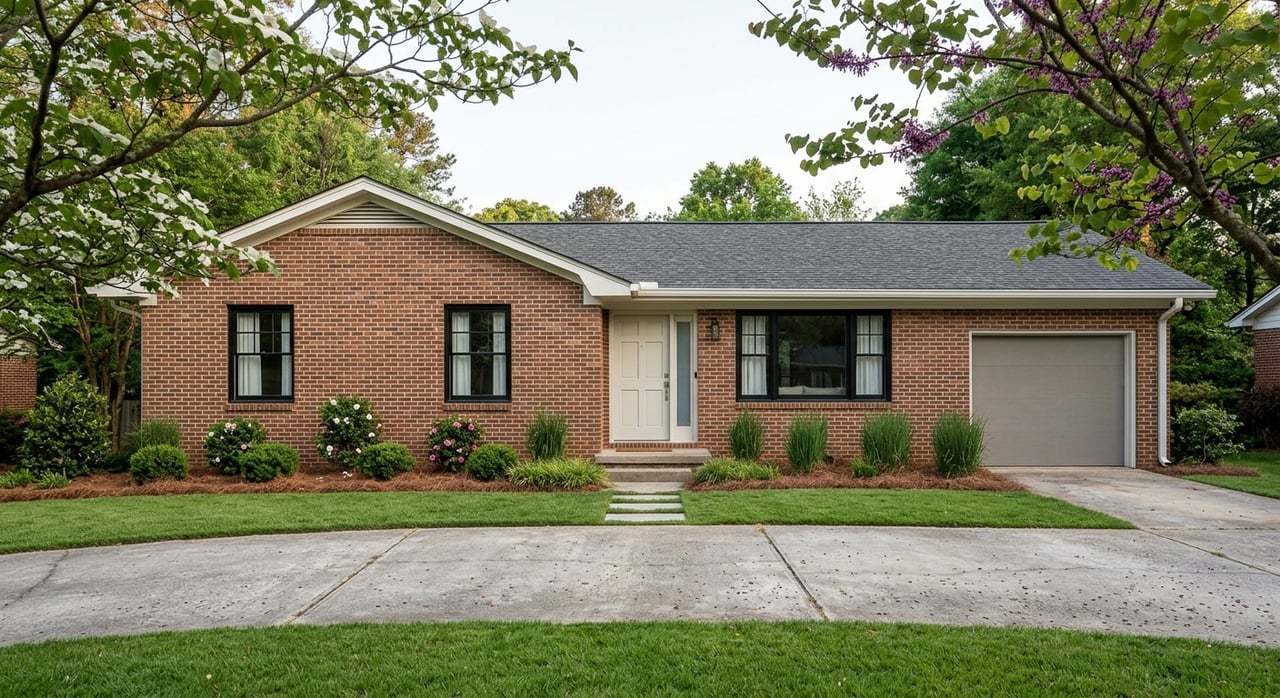
Spotting Flip-Friendly Properties In Concord Neighborhoods
April 16, 2026
If you are looking for a flip in Concord, the fastest way to get in trouble is to rely on citywide averages alone. Values can shift a lot from one pocket of Concord to the next, and a property that looks promising on paper may not work once you compare it to the right micro-market. The good news is that with the right screening process, you can spot homes with real upside and avoid ones that can drain your budget. Let’s dive in.
Concord is a sizable and growing market. The city’s official 2025 population estimate is 115,053, and Cabarrus County’s estimate is 249,725, with a median household income of $86,921 and a median owner-occupied home value of $353,700, according to City of Concord demographics.
That broad data is useful for context, but it is not enough to underwrite a flip. Recent resale indicators show a range, not a single number. Redfin’s Concord housing market data reported a February 2026 median sale price of $372,000 and 87 median days on market, while Realtor.com’s Concord overview showed a median listing price of $410,000 and 52 median listing days.
Those numbers measure different things, so the smartest move is to use them as a rough range check. Your actual after-repair value should come from the immediate neighborhood or ZIP code, because local pricing in Concord varies meaningfully.
This is where many investors either create margin or lose it. Realtor.com neighborhood-level figures show Center City Concord around $293,450, Logan around $265,000, Brookwood around $300,500, and The Mills around $499,450. ZIP-level figures also show a difference, with 28025 around $364,945 and 28027 around $459,900, based on Realtor.com neighborhood and ZIP market metrics.
That spread tells you something important. A flip near one Concord neighborhood may support a very different finish level, budget, and resale plan than a similar-sized house in another part of town.
When you evaluate a deal, compare it against the smallest relevant market area you can verify. If your comp set is too broad, your numbers can get distorted fast.
If nearby comparable sales or listings exist, start there. Citywide averages are best for context, not pricing a finished product.
A realistic approach is to ask:
If the answer to that last question is yes, the project may be too aggressive.
In Concord, the strongest candidates often are not perfect homes. They are homes with a workable structure and an outdated look. Think worn finishes, older kitchens or baths, awkward but fixable layouts, and cosmetic issues that create a clear before-and-after story.
That matters because active examples in Concord show many listings in the 3-bedroom, 2-bath range around the mid-$300,000s, based on Realtor.com’s current Concord market overview. A straightforward single-family layout remains an important resale target, so homes that fit that format can be easier to reposition.
A flip-friendly property often has:
Staging research from the National Association of Realtors also supports this. Buyers respond most to the living room, primary bedroom, and kitchen, which means homes with logical room flow and spaces that photograph well can have a strong resale story.
Some issues may still be workable, but they deserve extra caution:
The key question is not whether a house needs work. The key question is whether the work is predictable, financeable, and supported by the expected resale price.
If your budget is tight, focus on the improvements that shape first impressions and everyday use. According to the 2025 NAR staging report, 29 percent of agents saw staged homes receive a 1 percent to 10 percent increase in the dollar value offered, and 49 percent saw faster sales. The most common seller recommendations were decluttering, cleaning, and improving curb appeal.
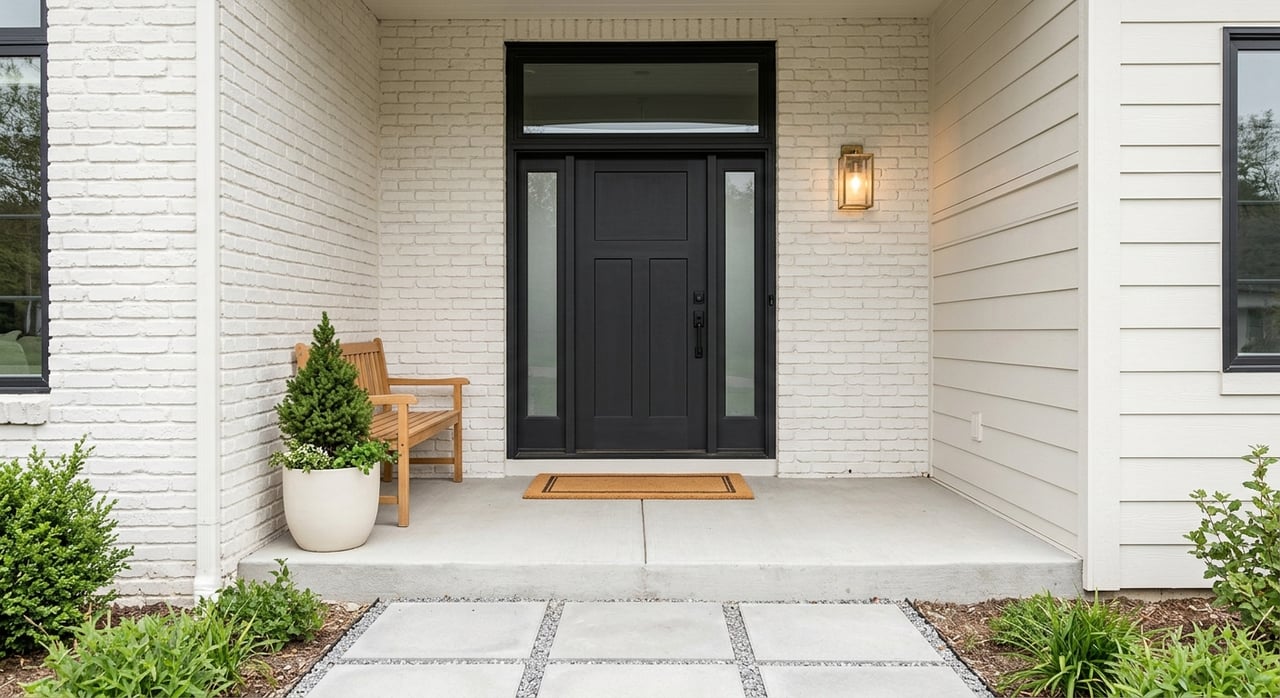
For a Concord flip, that supports a practical priority list. Start with the exterior, entry, main living areas, kitchen, and primary suite before spending heavily on niche design choices.
The 2025 NAR Remodeling Impact Report coverage points to solid resale recovery for:
That does not mean every flip needs all of these. It means you should favor updates that improve usability and first impressions over highly customized finishes that may not broaden buyer appeal.
A flip’s profit is shaped by more than the purchase price and renovation budget. Local taxes, permit timing, and district rules can all affect the final number.
Cabarrus County’s property tax rate is currently 57.6 cents per $100 of assessed value, and the City of Concord rate is 42 cents per $100 for fiscal year 2025-26, according to Cabarrus County tax rate information. Downtown Concord properties also pay an additional municipal service district tax rate of 16 cents per $100. Tax bills are due September 1 and become delinquent January 5.
If you are carrying a project longer than planned, those holding costs matter. Always build them into your deal analysis up front.
Permits can affect both timing and scope. The City of Concord permit guidance explains that construction applications are reviewed by the city for zoning and by Cabarrus County for building. The city handles zoning clearance permits for new construction, additions, interior upfits, and accessory structures, while Cabarrus County Construction Standards handles building permits, inspections, and certificates of occupancy.
If your renovation plan includes layout changes, additions, or significant interior work, verify the process early. A delay in approvals can change your timeline and carrying costs quickly.
Before you finalize your budget, confirm the property’s zoning category and whether flood-related constraints could affect the rehab. Concord’s planning FAQ notes that city planners use GIS to reference zoning boundaries, floodplains, streams, topography, buildings, and aerial photography, according to the Concord Planning FAQs.
That makes zoning and floodplain review a basic part of due diligence, not an optional extra. If the lot has limitations, your original renovation plan may need to change.
Older homes can absolutely be interesting flip candidates in Concord, but you need to know when special rules apply. Concord has three historic districts: North Union, South Union, and Edgewood. The Historic Districts page explains that the Historic Preservation Commission applies and interprets zoning rules within those districts.
That matters most for exterior work. If your value-add plan depends on changing windows, doors, siding, roof details, or visible exterior features, review the district guidance before you assume your scope is simple.
There is also an important distinction in Logan. Concord’s planning FAQ says the neighborhood’s National Register nomination is honorific and does not add new regulation unless a tax credit process is used, per the city FAQ guidance. In other words, historic recognition is not always the same thing as a local regulatory overlay.
When you walk a potential deal, keep your review practical and local. A property may be worth deeper analysis if it checks most of these boxes:
A project becomes riskier when several of those answers are uncertain at the same time.
Even a strong flip needs room for surprises. NAR notes that real estate professionals are often asked for reputable contractors and help prioritizing remodeling decisions, as discussed in the same Remodeling Impact Report article. That lines up with a smart investor process: collect contractor bids before closing when possible and reserve contingency funds for the highest-risk items.
You should also budget for resale preparation, not just renovation. Cleaning, decluttering, curb appeal, and presentation can help a finished property stand out, and staging research suggests that those steps can support both price and speed to sale.
Concord can offer real opportunity for small-scale investors, but the best flips are usually the ones that stay disciplined. If you want help evaluating neighborhood pricing, renovation priorities, or whether a specific Concord property makes sense as a value-add play, connect with Mirta Arroyo for practical, local guidance.
Stay up to date on the latest real estate trends.
Mirta embodies the belief that “We make a living by what we get, but we make a life by what we give.” She strives to exemplify this philosophy in every facet of her life, making a lasting impact on her clients and community alike. Through her work and her actions, Mirta continues to inspire those around her, proving that dedication and compassion can change lives. Contact Mirta today!
Contact Mirta to Learn More
MIRTA ARROYO
ADDRESS
19453 W CATAWBA AVE STE A
CORNELIUS, NC 28031